
Building complex, scalable design systems goes far beyond UI artefacts, design libraries and best practices. It requires a deep understanding of how teams work, how collaboration
is structure, what stakeholders need, and how a design system actually gets adopted.
is structure, what stakeholders need, and how a design system actually gets adopted.
This is a story of wins and challenges from my time as UI Lead and Manager for a multi-themed and complex design system at YBS.
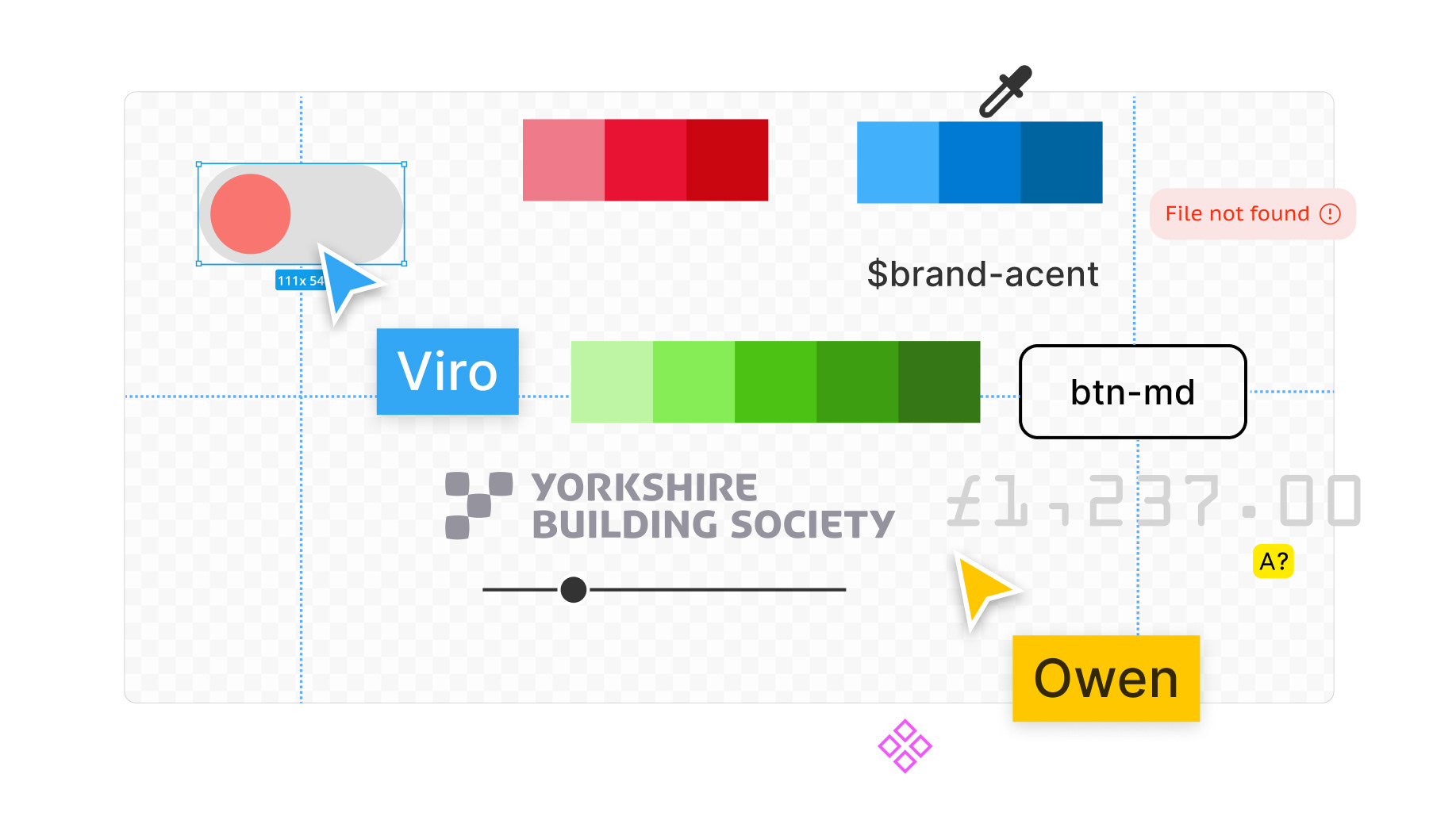
Role: Design System Manager / Lead UI Designer
Company: Yorkshire Building Society. Leeds, UK
Deliverables: Design system roadmap & strategy - Tools migration - Advocacy & training - UI audit
Duration: ∼13 months Year: 2023
Company: Yorkshire Building Society. Leeds, UK
Deliverables: Design system roadmap & strategy - Tools migration - Advocacy & training - UI audit
Duration: ∼13 months Year: 2023
The challenge
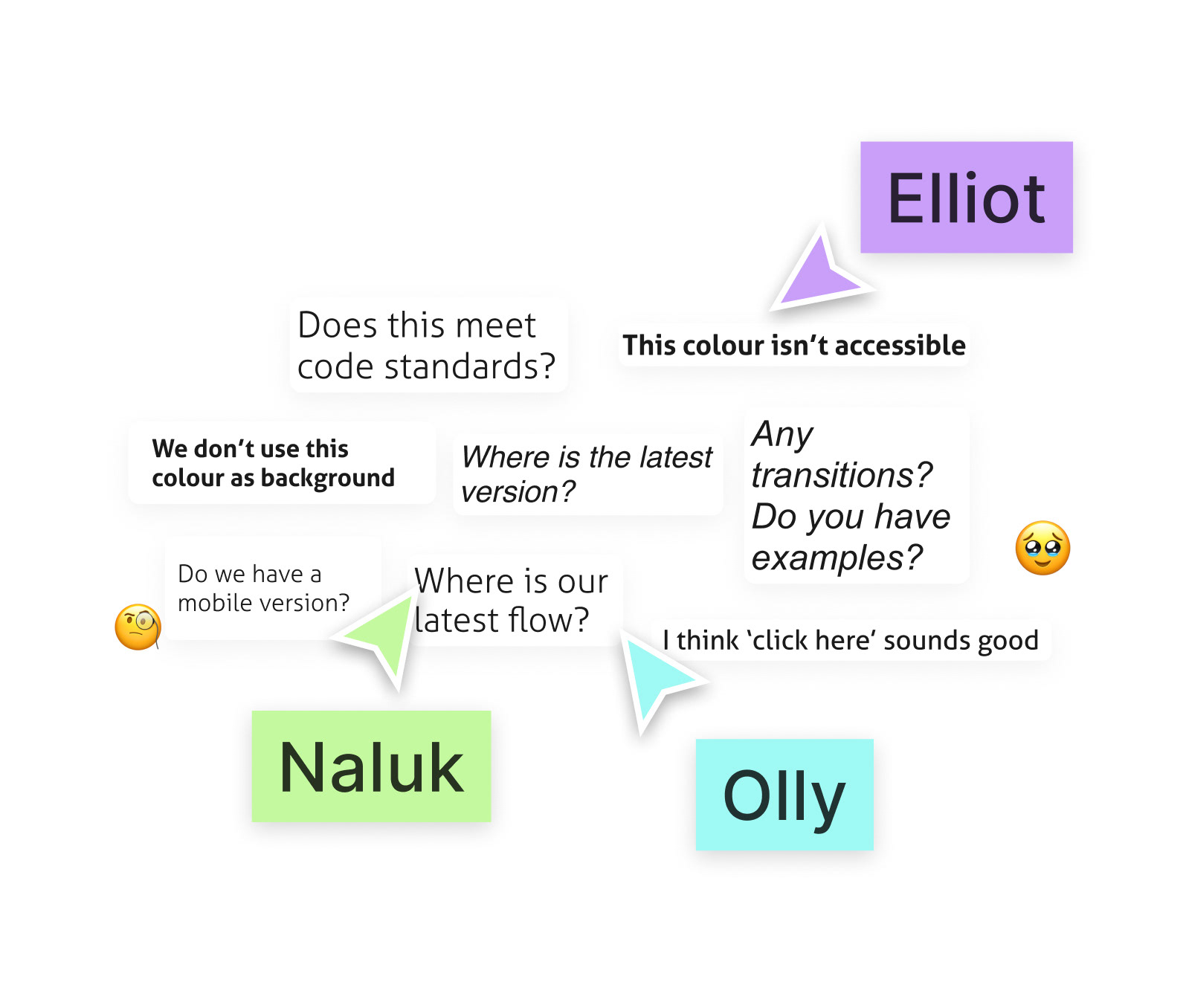
When I joined YBS, I encountered a large, cross-functional, distributed team building products across multiple disconnected design systems. This led to significant problems: Inconsistent product experiences, poor collaboration between teams, and inefficient design practices. All of which had a direct, negative impact on the business and its customers.
I started as the sole member of a new design system team. from day one, I had to manage not juts the operational, strategic, and technical dimensions of the project, but also the human ones. Selling the value of design systems to the organisation and building coalitions that would make the work possible. Gaining collaborators and allies was essential.
Design Process
Learning & Discovery
After an overall assessment and with a clear picture of the project's goals and challenges, I built a comprehensive strategic design system roadmap.
Throughout Q1, I spent weeks learning the product landscape. Asking questions, observing how teams worked, mapping pains points, and assessing the current UI state. This phase also included advocacy, running educational workshops, securing buy-in from key stakeholders and recruiting internal allies.
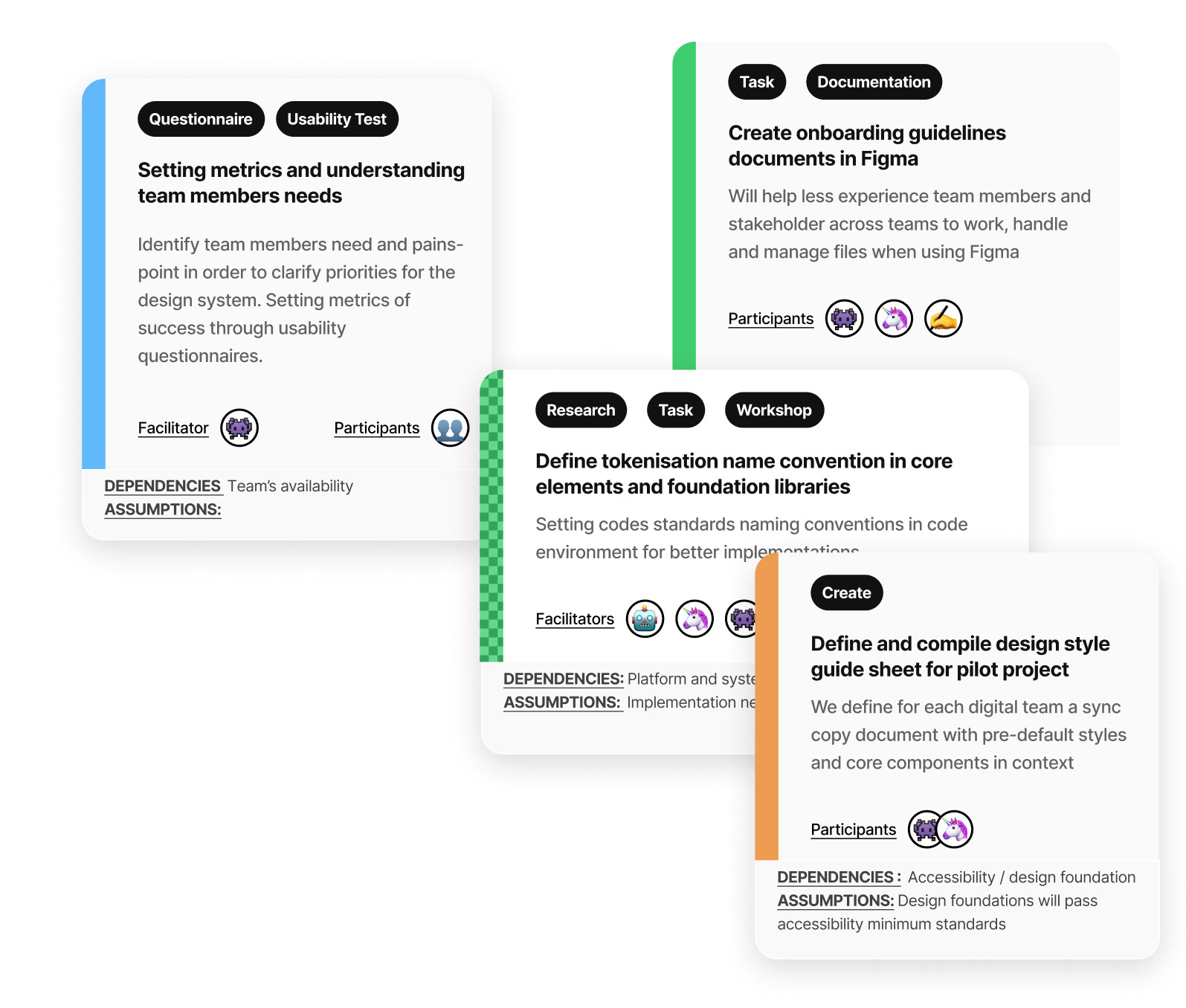
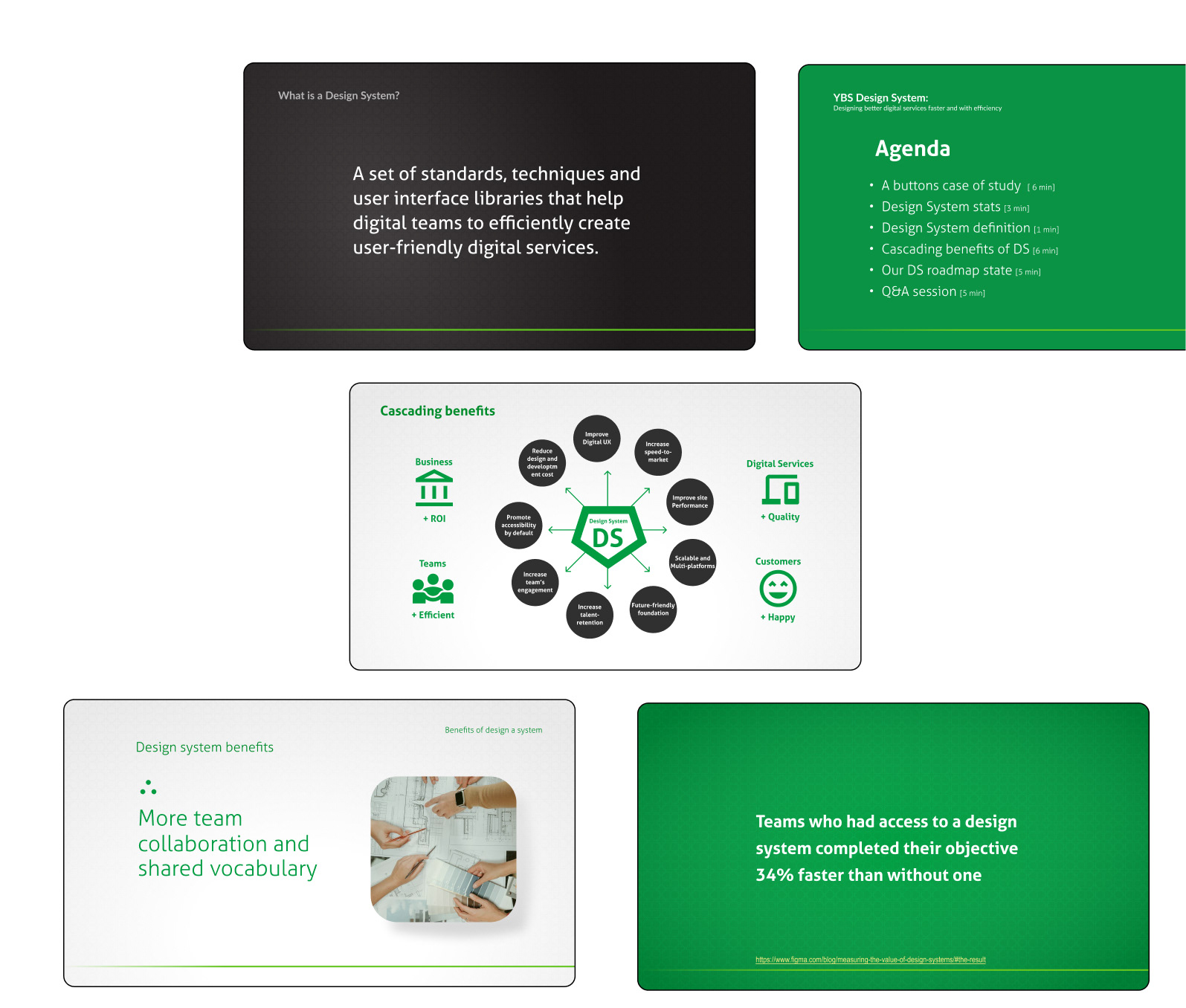
The roadmap covered a wide scope: design processes, tools transitioning, UI inventory, product assessments, team and business goals, design system foundations, and pilot testing.
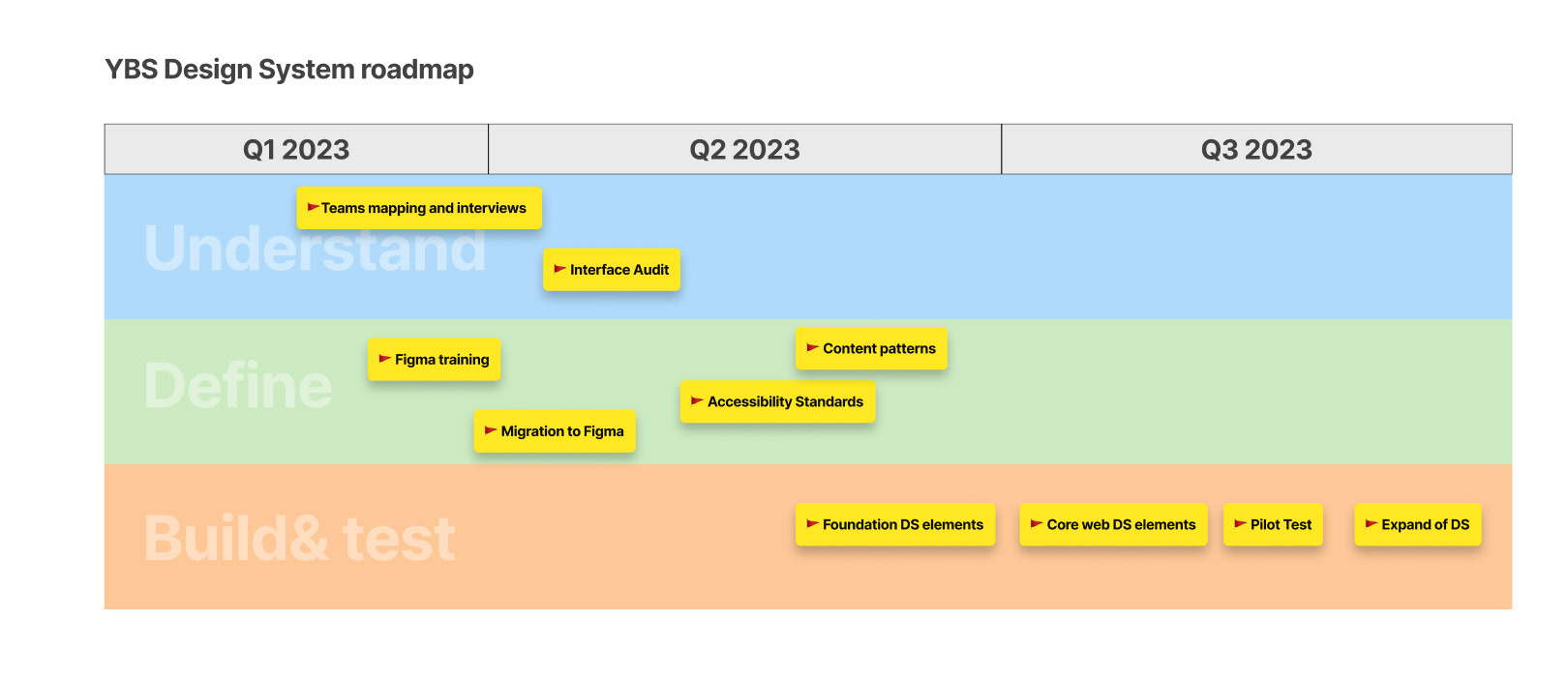
Snapshot image of design system roadmap
Moving to Figma
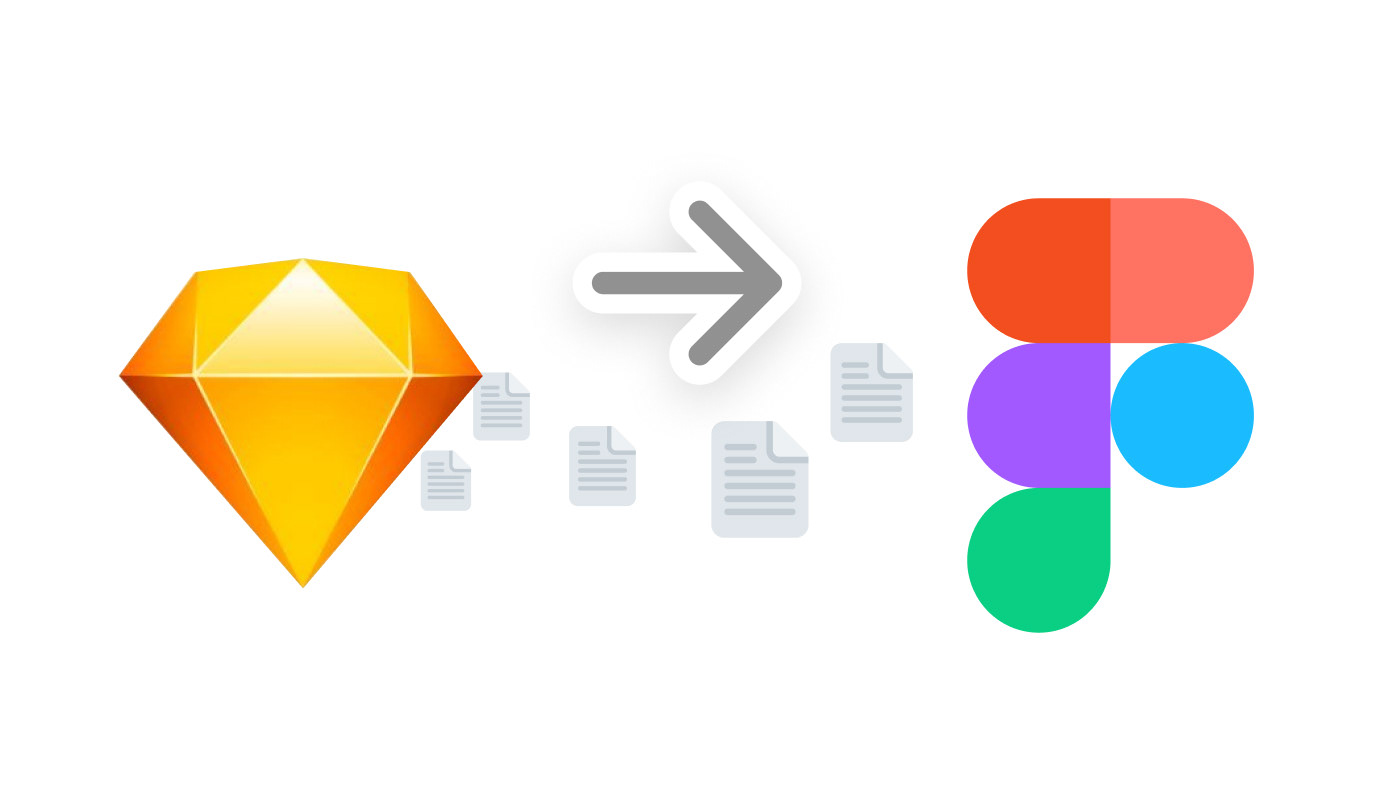
The design software transition was a critical step before implementation could begin. Former design files were scattered across InVision and Sketch, and a plan to migrate everything into Figma was already in motion.
I led the planning and management of the migration, converting design files into Figma while introducing best practices for file management, collaboration, and efficient workflows. I also ran Figma training sessions and workshops across the organisation to ensure team alignment and adoption.
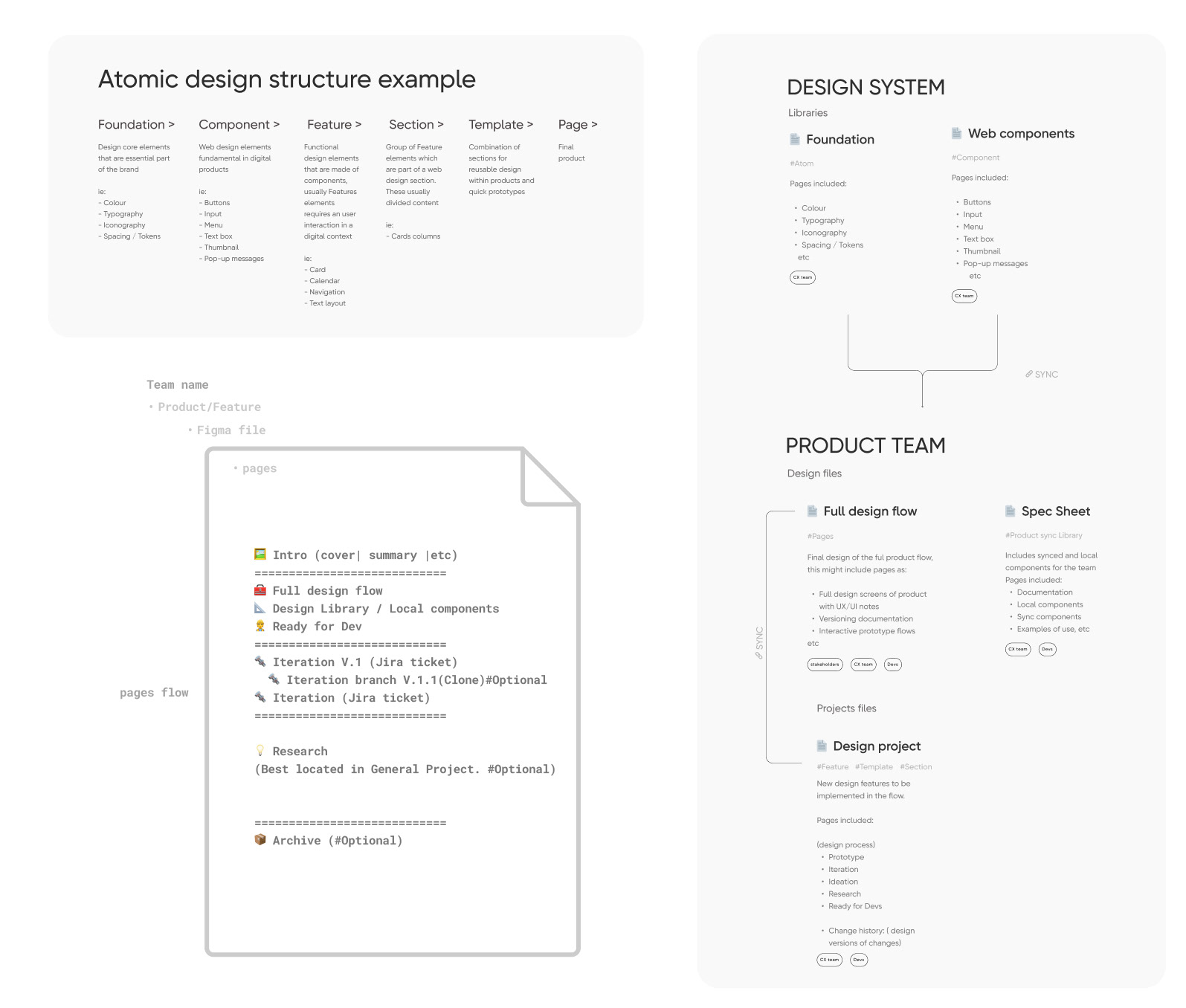
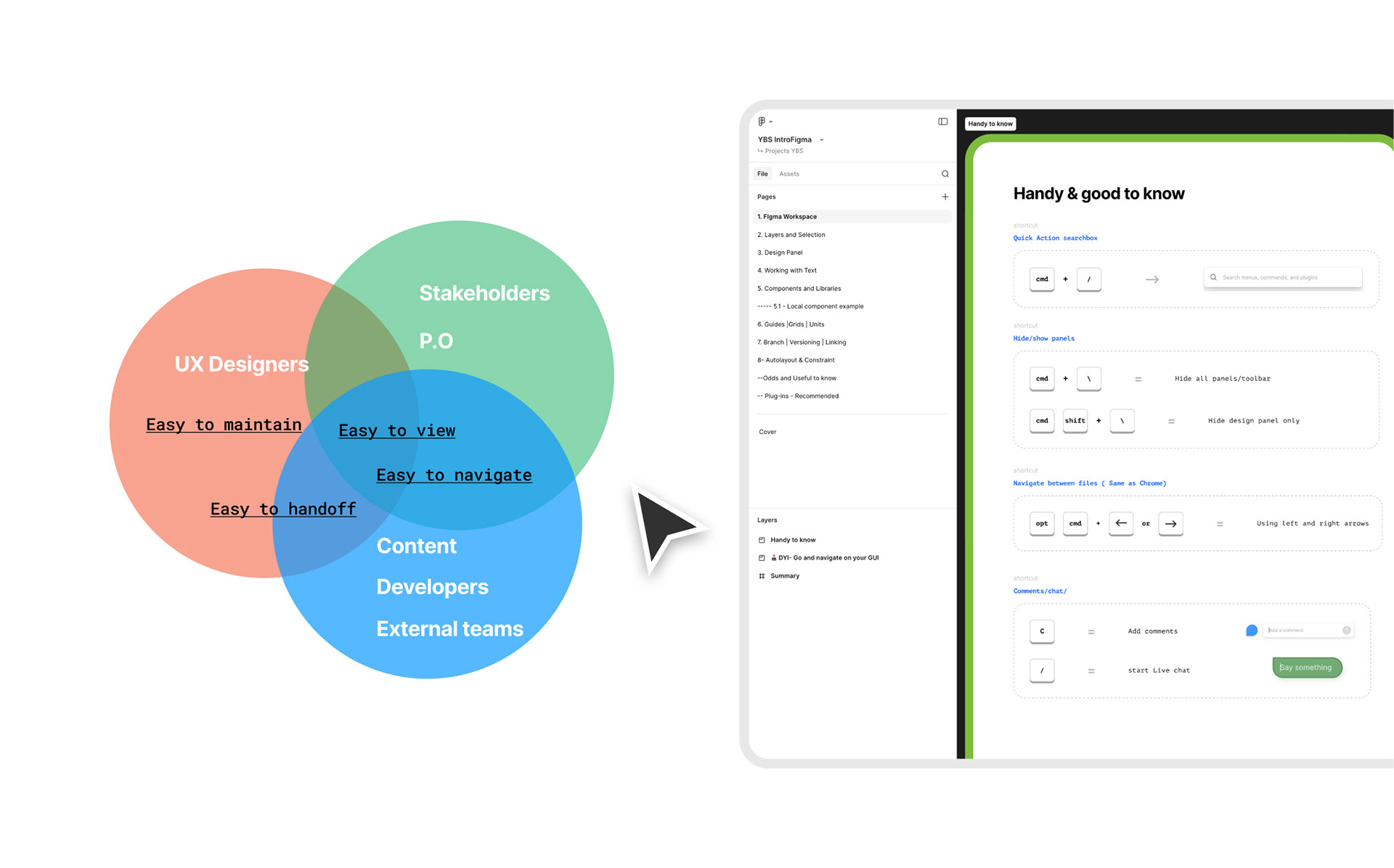
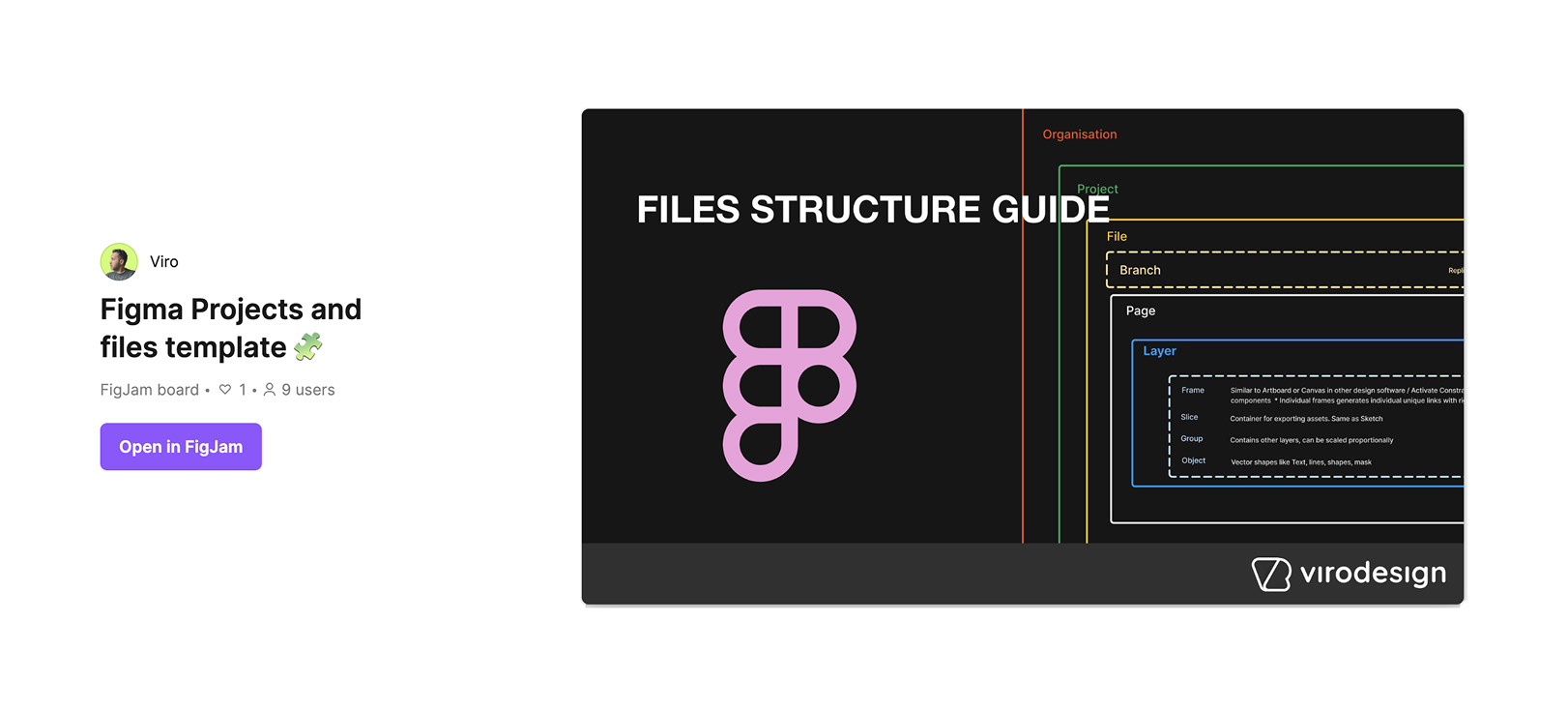
As part of this process, I created a free Figma organisation template. A helpful kickstart guide for structuring files and projects within Figma, including a workshop template, resources, and best practices for teams getting started.
User Interface audit
I conducted an exhaustive audit across all live products, core design libraries, and design files. The result was a comprehensive guide documenting live screens, UX flows, and UI components. Alongside a practical action plan addressing UI inconsistencies, usability issues, and accessibility gaps across YBS digital products.
The goal was to create a foundation for cohesive, reusable, and composable design system libraries that could be used consistently across all digital teams. The UI audit became the definitive reference point for design teams to assess and address future iterations.
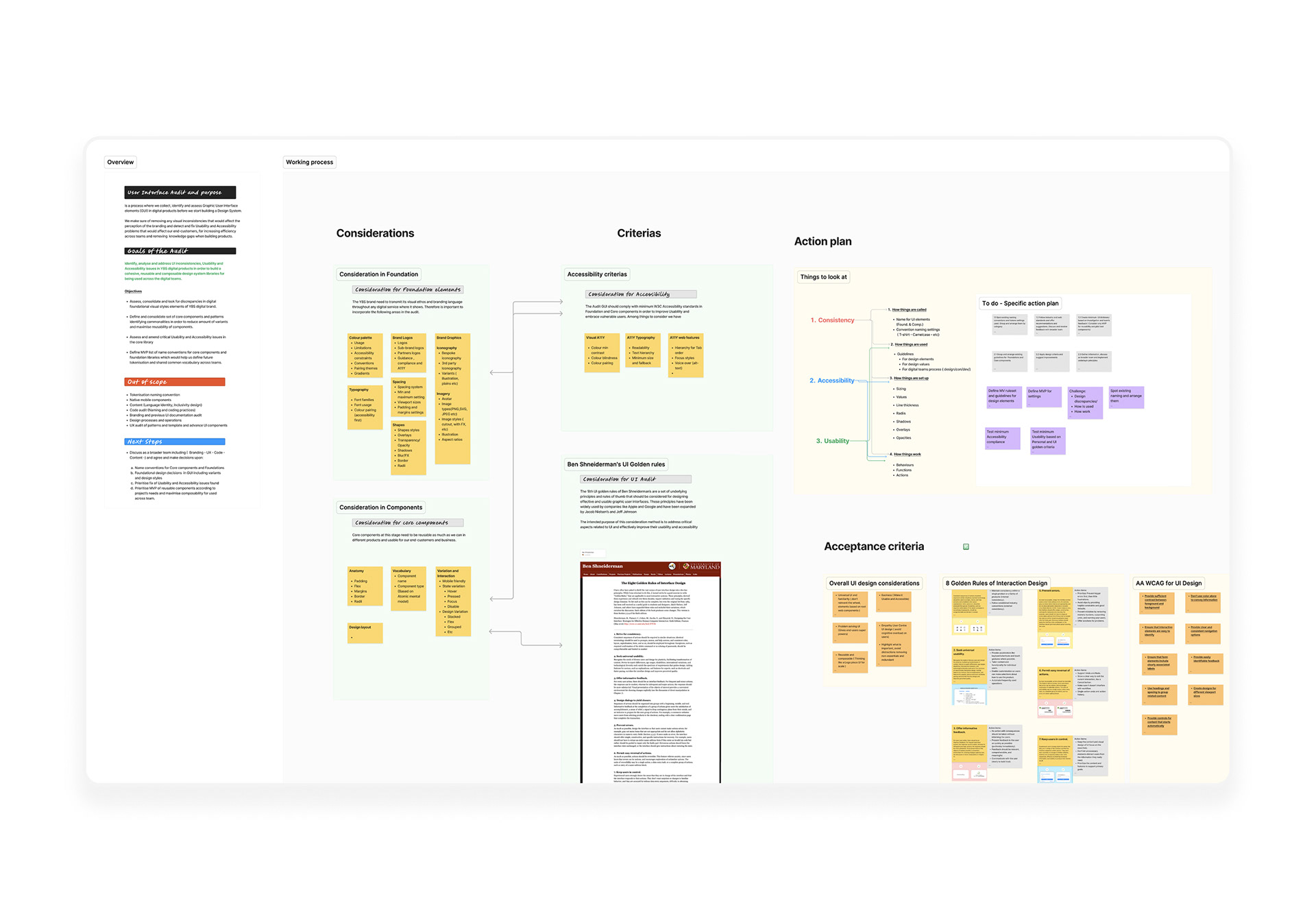
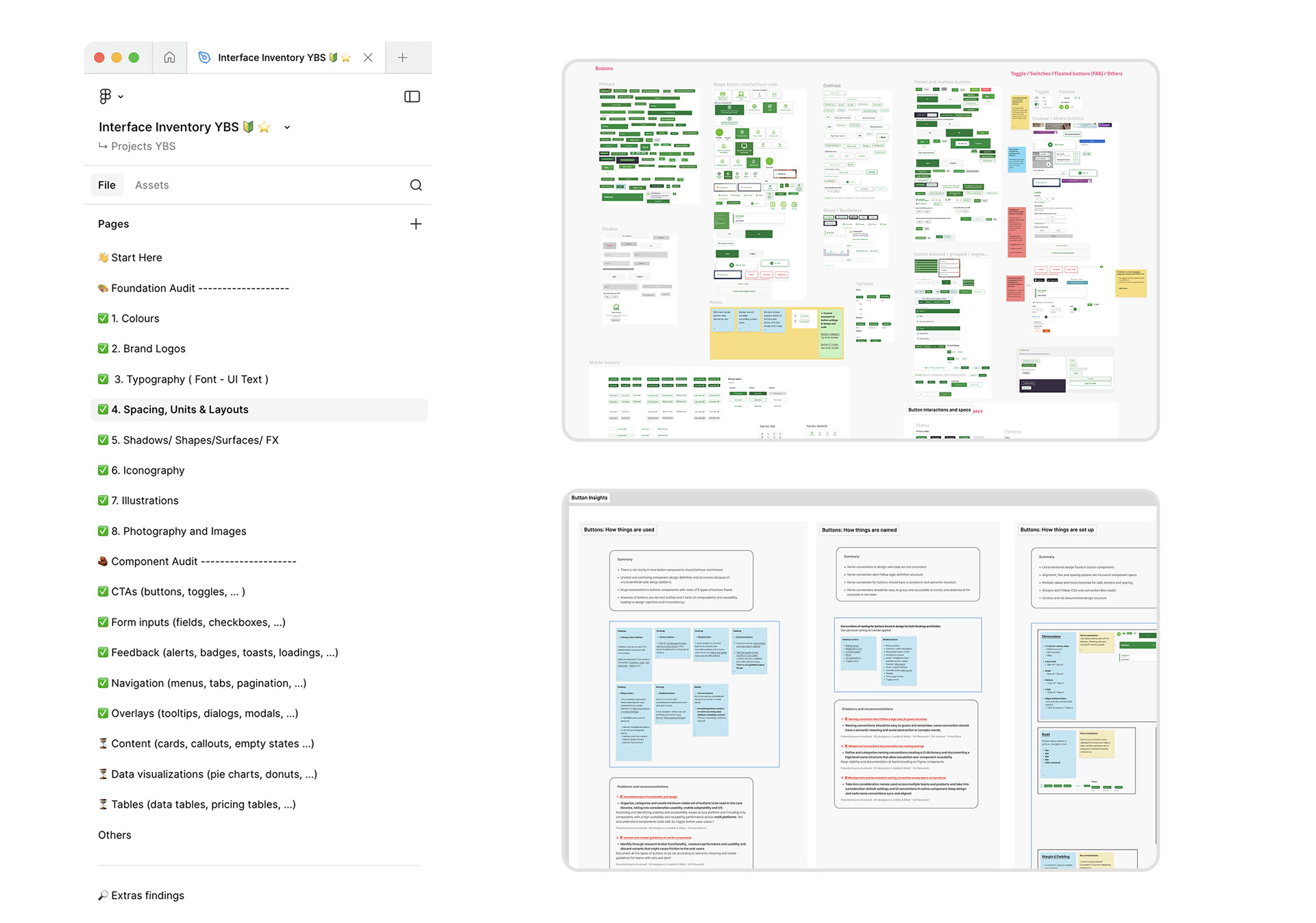
Snapshot of UI audit assessment documents
Learning and Outcomes
Things started to move. Design system culture and awareness were growing. But we also hit significant roadblocks. The leadership buy-in remained fragile, financial bureaucracy slowed progress, and limited cross-team collaboration began affecting the pace of the project.
Although the design system wasn't fully implemented, it changed how people thought about design at YBS. By the end of my time there, the team had:
⚡️Fully transitioned to Figma, with teams actively applying reusability, composability, and best design practices within a more cohesive working process.
⚡️ Adopted a more systems-thinking, accessibility-first mindset. Awareness of the value of a cohesive design system had sparked real conversations about improving collaboration and breaking down silos across product teams.
⚡️ Adopted a more systems-thinking, accessibility-first mindset. Awareness of the value of a cohesive design system had sparked real conversations about improving collaboration and breaking down silos across product teams.
⚡️ Created practical, lasting blueprints. The design system roadmap and UI audit served as enduring reference documents to guide future design system iterations long after my departure.
Reflection
On the surface, this looked like a design challenge. Underneath, it was a human one. Challenges rooted in habits, culture, and resistance to change.
Design systems are not just about pixels, they're about people. It's crucial to build trust, align goals, and foster awareness, especially within large and distributed teams.
Despite the challenges, this project remains a valuable chapter in my career and reaffirmed my belief in a human-centred, bottom-up approach to design thinking and a reminder that design systems are, themselves, digital products.
“Success in not only measured by what you launch but by what the culture you help shape. A great lesson that I wouldn’t have learnt otherwise”
Some images in the process are omitted or uncompleted due privacy and confidentiality purposes.